Health & Safety Policy — Garden Maintenance Forest Hill
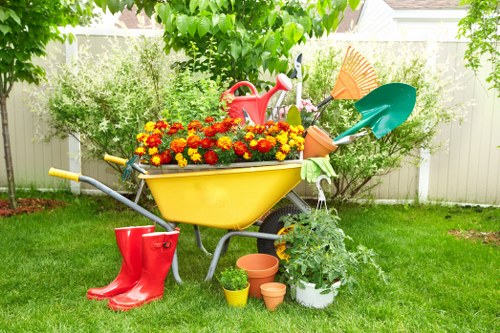 Purpose: This health and safety policy sets out the principles and practical measures that govern safe working for our garden maintenance teams serving Forest Hill and surrounding neighbourhoods. It is designed to protect workers, clients, visitors and the public while delivering professional gardening services. The policy emphasises risk identification, safe systems of work and continual improvement to ensure every job — whether routine garden care, hedge trimming or soft landscaping — is carried out with safety foremost.
Scope and Responsibilities
The policy applies to all staff, contractors and visitors involved with garden maintenance in Forest Hill. Managers are responsible for implementing safety arrangements, supervisors for day-to-day enforcement and all operatives must follow safe working procedures. Employees must report hazards, use provided personal protective equipment and cooperate in risk assessments. Contractors and temporary staff are expected to meet the same standards as permanent team members.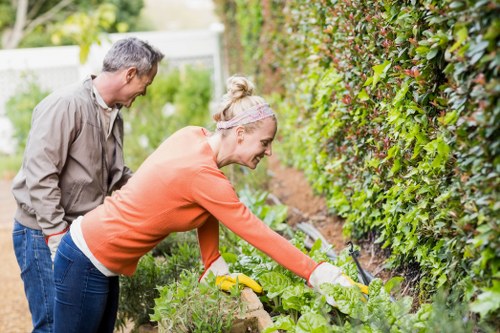 Risk assessment and planning are central to our approach. Before any work begins, site-specific assessments identify hazards such as uneven terrain, overhead power lines, pesticides, manual handling and public access. Control measures are recorded and communicated. Where necessary, work is planned to avoid busy pedestrian times and to create physical barriers. Safe access and egress are maintained at all times.
Training, Competence and Supervision
Staff receive induction training, task-specific instruction and periodic refresher courses. Training covers the safe use of hand tools, powered equipment (mowers, chainsaws, hedge cutters), manual handling techniques and first aid basics. Supervisors ensure competency through observation and mentoring. Toolbox talks are used to share lessons learned and to highlight seasonal risks.Equipment is inspected before use and maintained according to manufacturer guidance. Faulty machinery is removed from service and tagged until repaired. Electrical equipment for outdoor use is subject to routine checks and residual-current device (RCD) protection where appropriate. Fuel and lubricants are stored safely in labelled containers away from ignition sources, and spill kits are available on site.
 PPE and protective measures — Our teams are supplied with and required to use appropriate personal protective equipment: gloves, eye protection, hearing protection, high-visibility clothing and sturdy footwear. Additional PPE such as chainsaw trousers or respirators are used when risk assessments indicate. We promote a culture where PPE use is normalised and monitored.
Manual handling and ergonomics are addressed through training and the provision of mechanical aids where possible. Tasks are rotated to reduce repetitive strain and operatives are encouraged to report discomfort or symptoms promptly. Clear communication is maintained at work sites using hand signals and radios when necessary to improve safety around moving equipment.
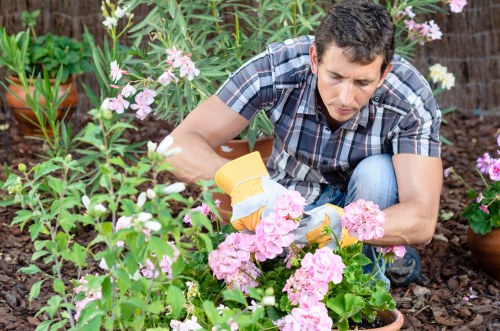 Emergency preparedness includes clear first aid arrangements, a nominated first aider on site and accessible first aid kits. Fire risks are minimised by safe storage of flammable materials and maintaining clear evacuation routes. Incidents, near misses and injuries are recorded, investigated and used to update processes to prevent recurrence. Reporting and learning are treated as vital parts of continuous improvement.
 Chemical and environmental safety — When herbicides, fertilizers or other chemicals are used, they are handled by trained personnel, stored securely and applied following manufacturer instructions. Environmental protection measures such as containment of run-off and correct disposal of green waste and chemical containers are enforced to reduce harm to local ecology and waterways.
Client and Public Safety
Work sites are set up to protect the public: signage, cones and barriers are used where appropriate and disruptive work is scheduled to reduce impact. Clients are advised of potential hazards during maintenance visits and asked to keep children and pets away from active work areas. Our teams maintain professional conduct and tidy workspaces to remove trip hazards.Monitoring and review ensure the policy remains effective. Regular safety audits, inspections and review meetings identify improvements and adapt practices to new equipment, methods or regulations. Performance indicators include incident rates, training completion and audit findings. We commit to prompt corrective action where gaps are found.
Commitment: Through leadership, staff engagement and practical controls, our garden care operations in Forest Hill aim to deliver reliable, high-quality gardening services with safety at the core. This policy is reviewed periodically and updated to reflect operational changes or lessons learned, ensuring the ongoing protection of people and the environment.