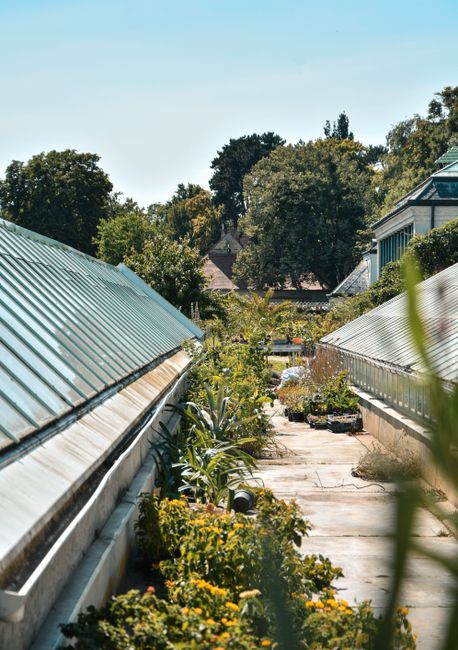
Horniman Museum garden restoration by Forest Hill gardeners
The Horniman Museum garden restoration by Forest Hill gardeners is the kind of project that looks straightforward from a distance and then, once you're standing in the middle of it, reveals layers of detail. Plant health, pathways, drainage, access, seasonal maintenance, visitor flow, heritage sensitivity - all of it matters. And because the Horniman is more than just a garden, the work has to balance beauty with durability and day-to-day practicality.
If you're trying to understand what this type of restoration involves, why local experience matters, or how a project moves from tired and uneven to calm, coherent and welcoming, you're in the right place. This guide breaks the process down in plain English, with practical advice for anyone responsible for a public-facing garden, a heritage setting, or a local landscape that needs more than a quick tidy-up. To be fair, that's usually where the real value is: not in the one-off makeover, but in the planning that keeps the place looking good three months later.
For readers comparing services, it also helps to look at the broader range of support available through garden services in Forest Hill, from routine upkeep to more involved landscape work. And if the restoration sits alongside other outdoor improvements, you may also find professional landscaping support useful when shaping the long-term result.
Table of Contents
- Why Horniman Museum garden restoration by Forest Hill gardeners Matters
- How Horniman Museum garden restoration by Forest Hill gardeners Works
- Key Benefits and Practical Advantages
- Who This Is For and When It Makes Sense
- Step-by-Step Guidance
- Expert Tips for Better Results
- Common Mistakes to Avoid
- Tools, Resources and Recommendations
- Law, Compliance, Standards, or Best Practice
- Options, Methods, or Comparison Table
- Case Study or Real-World Example
- Practical Checklist
- Conclusion
- Frequently Asked Questions
Why Horniman Museum garden restoration by Forest Hill gardeners Matters
Garden restoration is not the same as basic maintenance. Maintenance keeps a space under control; restoration brings it back into shape after neglect, wear, weather damage, or a period of inconsistent care. In a place like the Horniman Museum, that difference is huge. People expect a setting that feels thoughtful, welcoming, and aligned with the character of the building and the wider visitor experience.
Horniman Museum garden restoration by Forest Hill gardeners matters because local gardeners understand the practical conditions of the area: shaded corners, compacted soil, foot traffic, mixed planting beds, and the pressure that public use puts on paths and borders. You can't just assume a neat finish and call it done. You need a plan that respects the site, supports plant recovery, and allows the garden to hold up under real-world use. That's the bit visitors never see, but they feel it.
A restored museum garden also does a lot of quiet work in the background. It improves first impressions, supports biodiversity, makes events and visits feel calmer, and reduces the slow drift into costly decline. If a hedge gets out of hand or a lawn is patchy for too long, the whole space starts to look tired. That happens gradually, then suddenly. Funny how that works.
Expert summary: good restoration is not about forcing everything to look new. It is about recovering structure, restoring plant health, and creating a system that can stay attractive with sensible ongoing care.
How Horniman Museum garden restoration by Forest Hill gardeners Works
A proper restoration project usually begins with a site assessment. That means looking at the condition of lawns, hedges, borders, trees, hard surfaces, drainage, access routes, and any areas that are overgrown, damaged, or no longer serving the space well. The aim is to identify what can be saved, what needs reshaping, and what may need phased replacement rather than a one-day blitz.
From there, the work is usually organised in stages. First comes clearance and safety. Then structural work such as hedge trimming, pruning, edging, tree attention, or surfacing repairs. After that, the team can move into planting refreshes, soil improvement, lawn recovery, and detailing. It sounds linear on paper; in reality, it often shifts a little as the site reveals itself. That's normal.
For heavier overgrowth or debris, a service like garden clearance can help create a workable starting point. Where recurring upkeep is needed after the restoration, ongoing garden maintenance is what keeps the restored look from fading. And if the site includes tired edges, uneven surfaces, or visual clutter, small upgrades such as decking services may be part of the wider solution, though only if they genuinely suit the garden's layout.
In a museum context, coordination matters almost as much as technical skill. Access times, public safety, material movement, waste handling, and noise all need some thought. A good team doesn't just cut, clear, and leave. They sequence the work so the space remains manageable and the finish feels intentional rather than rushed.
Key Benefits and Practical Advantages
The obvious benefit is appearance. A restored garden looks cared for, and that changes how people behave in it. Visitors slow down a little, notice the planting, and move through the space with more ease. But there's much more to it than looks.
- Better visitor experience: clear pathways, neat boundaries, and healthier planting make the site feel more welcoming.
- Improved plant performance: pruning, soil care, and correct seasonal work give shrubs, lawns, and beds a better chance to recover.
- Lower long-term costs: catching problems early usually costs less than waiting until everything needs major corrective work.
- Safer access: reducing trip hazards, low visibility areas, and unstable overgrowth is especially important in public spaces.
- Stronger presentation for events and photos: heritage gardens often need to look good from multiple angles, not just from one front-facing view.
- More resilient maintenance cycle: once the structure is reset, future upkeep becomes easier and more predictable.
There's also an environmental advantage when restoration is approached sensibly. Healthy soil, better plant choice, and measured pruning can support wildlife and reduce waste. If sustainability is a priority, it is worth discussing recycling and sustainability practices early on, especially where green waste and old materials need to be managed carefully.
One practical benefit that often gets missed: a restored garden is easier to maintain by staff or contractors afterwards. That matters more than people think. A space that's been overcomplicated during renovation can look impressive for a week and then become a headache. Nobody wants that. Not really.
Who This Is For and When It Makes Sense
This kind of restoration makes sense for museums, heritage attractions, schools, community sites, local charities, and private gardens that have slipped beyond routine upkeep. It is particularly relevant if the site has become uneven, heavily shaded, overgrown, waterlogged, or visually fragmented after months or years of patchy care.
It is also a sensible choice when the garden has a public role. Public-facing gardens need to be practical as well as attractive. If people use the space every day, the work has to hold up under repeated footfall, weather changes, and the occasional less-than-gentle visitor. That's not pessimism. That's just how gardens live.
You might need restoration if you notice one or more of the following:
- lawns have thinned out and patches are spreading
- hedges are losing shape or blocking sightlines
- borders are full of self-seeded growth rather than planned planting
- paths are being swallowed by plants or debris
- trees need careful reduction or removal of deadwood
- the overall garden feels cluttered, tired, or difficult to manage
For smaller but still important issues, focused services such as hedge trimming or lawn mowing may be enough to start regaining control. If trees are causing shade, hazard, or access problems, then tree lopping and removal may need to be considered with care and proper judgement.
Step-by-Step Guidance
Every restoration will be slightly different, but a sensible process usually follows the same broad pattern. Skipping these steps tends to create extra work later. You can get away with that in a back garden sometimes. In a prominent site, not so much.
- Assess the site honestly. Identify what is healthy, what is failing, and what simply needs reshaping.
- Prioritise safety and access. Clear trip hazards, unstable branches, and obstructed routes first.
- Remove excess growth and waste. Cut back overgrowth, clear debris, and create working space.
- Restore structure. Re-establish hedge lines, borders, path edges, focal points, and lawn definition.
- Improve growing conditions. Feed the soil, correct drainage concerns where possible, and replace poor material.
- Replant selectively. Choose plants that suit the site, the light levels, and the long-term maintenance plan.
- Finish with detailing. Edge lawns, clean paths, check sightlines, and tidy the final presentation.
- Set a maintenance rhythm. Decide what happens weekly, seasonally, and after weather events.
It helps to think in layers. First the mess. Then the structure. Then the long-term rhythm. That approach avoids the classic mistake of replanting too early, only to find the underlying issue was drainage or shade all along.
If you want a clearer overview of the services that support this kind of phased approach, the services overview is a useful starting point before you decide what needs to happen first.
Expert Tips for Better Results
In our experience, the best restoration jobs are the ones that respect what the site is already trying to be. A garden does not need to be reinvented every time. Sometimes it needs restraint. Sometimes it needs a firmer hand. Usually, it needs both.
Tip 1: Work with the light. If a bed is failing because it is too shaded, don't keep replacing sun-loving plants and hoping for magic. That's gardening optimism, and fair enough, but it rarely ends well.
Tip 2: Keep repetition in the design. Repeating plant types, edging styles, or height lines can calm a busy garden and make restoration feel cohesive. Randomness can look lively, yes, but it can also look unfinished.
Tip 3: Maintain sightlines carefully. In a public garden, the ability to see across a space is useful for orientation, comfort, and safety. High planting may still work, but it has to be planned.
Tip 4: Don't over-prune in one go. Overcutting can stress plants and leave the space bare. Sometimes a gentler, staged approach gives a better result over a season or two.
Tip 5: Budget for aftercare, not just the big reveal. The post-restoration period is where success is proven. A freshly restored space still needs watering, weeding, checking, and occasional correction. No getting around that.
For gardens with complex access or mixed hard landscaping, it can also be worth reviewing whether the area would benefit from broader landscape gardening input. The detail matters, especially when you want the site to feel natural rather than simply tidy.
Common Mistakes to Avoid
The biggest mistake is treating restoration like a quick tidy-up. It isn't. Quick tidy-ups are useful, but they don't solve structural decline. If the real issue is poor soil, wrong planting, or lack of maintenance capacity, a brief cut-and-clear will only delay the problem.
Other mistakes show up time and again:
- Using the wrong plants for the site. A pretty plant that hates the soil or light conditions will become a recurring problem.
- Ignoring drainage and compaction. If roots can't breathe, the garden will keep struggling.
- Cutting everything back too aggressively. Harsh pruning can damage shape, health, and future flowering.
- Leaving waste and arisings in place. Even a good restoration can look unfinished if the final clear-down is sloppy.
- Forgetting the maintenance handover. The restored garden needs a plan for what happens next, or the cycle starts all over again.
There's a quieter mistake too: assuming the most visible problem is the root cause. Sometimes the patchy lawn is actually a watering issue. Sometimes the hedge is failing because the soil around it is exhausted. The visible symptom and the real cause are not always the same thing.
Tools, Resources and Recommendations
A restoration project depends on a mix of hand tools, powered equipment, and sensible planning. The exact kit varies by site, but the essentials usually include hedge trimmers, mowers, pruning tools, clearing equipment, edging tools, wheelbarrows, and appropriate waste containers or removal systems.
For public or heritage gardens, it is wise to think about the less obvious resources too:
- clear access routes for equipment and staff
- protective coverings for sensitive surfaces or planting
- seasonal planting plans
- watering and aftercare arrangements
- maintenance logs or simple site notes
Where a site needs regular care after the initial restoration, ongoing support such as garden maintenance keeps the garden from drifting again. If the work involves waste-heavy phases, garden clearance is often the most practical first step. And if you need a broader view of who the team is and how they work, about the company is worth a look before you make a decision.
One small but useful recommendation: keep a simple before-and-after record. Not for show. Just for tracking what changed, what survived, and what needs attention next season. In a project like this, memory is useful, but notes are better.
Law, Compliance, Standards, or Best Practice
For a site like the Horniman Museum, restoration work should be carried out with public safety, access, and environmental care in mind. Exact requirements depend on the scope of work and the site's own procedures, so it is sensible to treat compliance as a working part of the project rather than an afterthought.
Best practice usually includes:
- risk-aware planning for any work involving tools, height, or unstable growth
- safe movement of people and materials around visitor areas
- clear handling of green waste and recyclable material
- careful treatment of trees, roots, and planted areas
- respect for heritage features, existing habitats, and public access needs
Contractors should also be insured and able to explain how they manage safety. If you are comparing providers, it is sensible to review insurance and safety information and their health and safety policy. These pages don't tell the whole story, of course, but they do help show whether the team thinks carefully about responsibility. And that matters.
If any work affects schedules, expectations, or project handover, the practical terms should be clear before the job starts. It saves awkward conversations later. Nobody enjoys that part.
Options, Methods, or Comparison Table
Different restoration approaches suit different gardens. A public museum garden often needs a measured mix rather than a single dramatic method. Here's a simple comparison to help you think it through.
| Approach | Best for | Strengths | Limitations |
|---|---|---|---|
| Light restoration and tidy-up | Minor decline, regular upkeep gaps | Fast, low disruption, budget-friendly | Won't solve structural issues |
| Phased restoration | Mixed-condition gardens, public sites | Safer, more controllable, easier to manage over time | Takes longer to complete |
| Full reset | Severely neglected or badly designed spaces | Clean slate, major transformation | Higher disruption and usually more expensive |
For the Horniman setting, phased restoration is often the most balanced route because it allows the team to protect what already works while improving the areas that really need attention. It also reduces the risk of overcorrecting. Which, let's be honest, is easy to do when a space has been neglected for a while.
Case Study or Real-World Example
Picture a local heritage garden that has been looking a bit weary by late summer. The paths are still passable, but one side is being squeezed by hedge growth. The lawn has worn thin near the most-used route. A mixed border has drifted into a tangle of plants that no longer make sense together. Nothing is disastrous, but the whole place feels less welcoming than it should.
A Forest Hill gardening team would usually start by restoring clear edges and removing the worst congestion. Then they would shape the hedges, thin out overgrown sections, and reset the lawn line. After that comes the careful part: reworking the borders so the planting looks intentional again, not just less messy. A few plants might be retained, a few moved, and some replaced with better-suited choices. The result is not necessarily dramatic in one afternoon, but by the end of the work the garden reads differently. Cleaner. Calmer. Easier to move through.
That's the real win. Not a flashy transformation. A garden that feels like it can breathe again.
If the site also needs an ongoing upkeep schedule, the team may recommend a combination of periodic lawn mowing, hedge trimming, and broader maintenance visits so the restored look sticks around.
Practical Checklist
Use this checklist before, during, or after a restoration project to keep things on track.
- Identify the main problem areas clearly
- Check which plants are worth keeping
- Review access, safety, and working space
- Decide whether clearance comes before restoration
- Confirm how waste and green material will be handled
- Protect any surfaces or features that could be damaged
- Set a realistic restoration sequence
- Plan for watering, pruning, and follow-up care
- Match new planting to light, soil, and maintenance capacity
- Agree how success will be measured after the work is done
Practical takeaway: if the garden looks better but is harder to maintain, the job is only half-finished. Good restoration makes the space easier to care for, not just nicer to look at.
Conclusion
Horniman Museum garden restoration by Forest Hill gardeners is really about bringing structure, calm, and purpose back into a space that people value. That takes more than cutting things back and hoping for the best. It takes local judgement, a sensible sequence of work, and enough care to respect both the garden and the people who use it.
Done well, restoration improves appearance, supports long-term plant health, and makes future maintenance much easier. Done badly, it creates short-lived results and more work later. The difference is usually in the details: timing, restraint, safety, and the willingness to think one season ahead. Maybe two.
If you're planning a project like this, the best next step is to map out the current condition of the garden and decide which areas need clearance, which need ongoing care, and which need deeper landscape attention. That way the work becomes manageable. And a lot less stressful, too.
Get a free quote today and see how much you can save.
Frequently Asked Questions
What does Horniman Museum garden restoration by Forest Hill gardeners actually include?
It usually includes a mix of clearance, pruning, hedge shaping, lawn recovery, border tidying, planting improvements, and aftercare planning. The exact scope depends on the condition of the site.
Is this the same as regular garden maintenance?
No. Maintenance keeps a garden in good order, while restoration repairs decline and re-establishes structure. Maintenance is the follow-up; restoration is the reset.
How long does a garden restoration project usually take?
That depends on size, access, and how neglected the space is. A smaller project may be completed quickly, while a heritage or public garden often works better in phases.
Do museum gardens need special handling?
Yes, usually. Public-facing gardens need safer access, more careful scheduling, and a finish that works for visitors as well as staff. They also tend to need more coordinated aftercare.
Can overgrown areas be restored without removing everything?
Often, yes. A good team will try to save healthy plants and retain useful structure wherever possible. Total clearance is only needed when the existing growth is beyond recovery or causing safety issues.
What if the lawn is patchy or worn?
The right response depends on the cause. It may need mowing adjustments, soil improvement, reseeding, or broader changes to traffic flow and shade. The cause matters more than the symptom.
Why is hedge trimming so important in restoration work?
Because hedges shape the whole visual rhythm of a garden. A tired hedge can make the whole site feel untidy, even if everything else is in decent condition.
Are there safety issues to think about?
Yes. Public access, tools, unstable branches, slippery paths, and waste movement all need proper planning. Safety should be part of the project from the start.
What is the best time of year for restoration?
There is no single perfect time for every garden, but seasonal timing matters. Planting, pruning, and lawn work all behave differently depending on weather, soil moisture, and growth cycle.
Should restoration be done all at once or in stages?
For many public or complex gardens, stages work better. Phased restoration is often safer, less disruptive, and easier to manage over the long term.
How do I know if I need landscape gardening rather than simple clearance?
If the garden needs reshaping, planting redesign, or structural improvement, landscape gardening is usually the better fit. Clearance alone removes the problem; landscaping helps solve it properly.
What should I ask before hiring a team?
Ask how they assess the site, how they handle waste, whether they can support follow-up maintenance, and how they approach safety and insurance. Clear answers are a good sign. Vague ones are not.
Can restoration include decking or hard landscaping?
It can, if those features genuinely improve the garden and suit the setting. In some projects, small structural additions help make the restored space easier to use and maintain.
What happens after the restoration is finished?
Aftercare becomes important. Watering, pruning, mowing, edging, and periodic checks help preserve the work you've paid for and stop the garden sliding backwards again.
For more information about the team, standards, and working approach, you can also review about us, pricing and quotes, and contact us when you're ready to talk through a project. A good conversation at the start saves a lot of guesswork later.