Forest Hill gardeners same day jobs and emergency care
If your garden has gone from manageable to messy overnight, you are not alone. A broken fence after a windy evening, an overgrown front path before visitors arrive, or a tree limb hanging awkwardly after a storm can turn a normal day into a bit of a scramble. That is where Forest Hill gardeners same day jobs and emergency care becomes genuinely useful: quick, practical help when the outside space needs attention now, not next week.
This guide explains how emergency garden support works, what jobs are realistic on the same day, what to ask before you book, and how to avoid common mistakes when time is tight. It is written for real situations, not just ideal ones. Because let's face it, gardens do not always wait politely for a convenient appointment.
For a fuller view of available work across the area, you can also look at the services overview, and if you want to understand the team behind the work, the about us page is a sensible place to start.
Table of Contents
- Why Forest Hill gardeners same day jobs and emergency care matters
- How Forest Hill gardeners same day jobs and emergency care works
- Key benefits and practical advantages
- Who this is for and when it makes sense
- Step-by-step guidance
- Expert tips for better results
- Common mistakes to avoid
- Tools, resources and recommendations
- Law, compliance, standards, or best practice
- Options, methods, or comparison table
- Case study or real-world example
- Practical checklist
- Conclusion
- Frequently asked questions
Why Forest Hill gardeners same day jobs and emergency care Matters
Urgent garden work matters for a few simple reasons: safety, access, presentation, and damage control. A garden that looks untidy is one thing. A garden with slippery cuttings on a path, a fallen branch blocking a side entrance, or a hedge leaning into a public pavement is another matter entirely. In those moments, same day response is not a luxury. It is a practical fix.
In Forest Hill, homes often have compact front spaces, shared access, rear gardens, or narrow side paths. That setup is lovely when everything is well kept. But when something goes wrong, even a small issue can feel bigger. A hedge that needs clearing before a letting agent visit. A lawn that has become patchy and hazardous after heavy rain. A tree that needs urgent attention after sudden wind. These are the kinds of jobs where speed makes a real difference.
There is also the emotional side, which people sometimes overlook. When the outside of your home looks out of control, it can make the whole property feel unsettled. A quick response helps restore calm. You notice it straight away: the path opens up, the space feels breathable again, and the place stops shouting at you every time you look out the window.
Expert summary: Same day garden care is most valuable when delay creates risk, blocks access, causes neighbour issues, or makes a property harder to live in. Fast action should be focused, not frantic.
If you are comparing broader garden support, the page on garden maintenance is useful for routine work, while garden clearance is more relevant when the problem has already piled up.
How Forest Hill gardeners same day jobs and emergency care Works
Same day garden service usually follows a straightforward pattern. You contact the team, explain the problem clearly, and they assess whether it is safe and realistic to attend the same day. Not every job can be done instantly, to be fair. Weather, access, materials, equipment, and safety all matter.
Most emergency or urgent garden visits work best when the job is specific. For example, clearing storm debris from a pathway is different from redesigning an entire front garden. Removing dangerous overgrowth from around a doorway is different from reshaping multiple hedges. The more precise the issue, the better the response tends to be.
A good same day process usually includes:
- Initial call or enquiry with a short explanation of the issue.
- Assessment of urgency, access, and any safety concerns.
- Confirmation of whether a same day visit is possible.
- Arrival with the right tools for a focused intervention.
- Completion of the urgent task, followed by advice on follow-up work if needed.
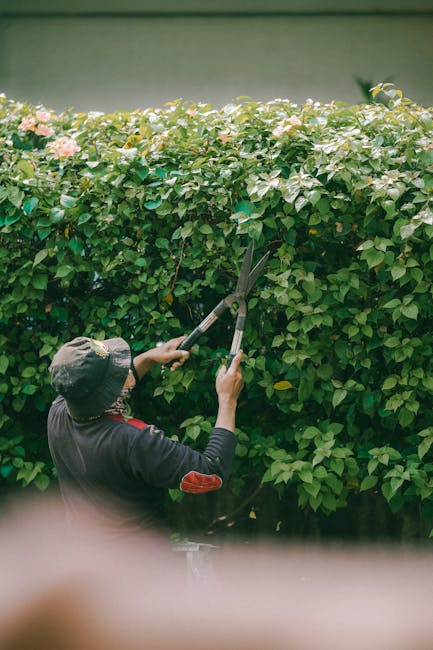
There is a useful distinction here. Emergency care in garden work does not always mean a dramatic crisis. Sometimes it simply means preventing a problem from getting worse. A partially fallen branch may not be fully blocking the road, but it could still be unstable. A hedge might not be collapsing, but if it is brushing past a gate and preventing access, it needs prompt attention.
For clients who want a broader mix of urgent and planned work, services like hedge trimming, lawn mowing, and tree lopping and removal may all come into play after the immediate issue is stabilised.
Key Benefits and Practical Advantages
The main advantage is obvious: speed. But speed alone is not the full story. The real value lies in what fast response prevents.
- Reduced safety risk: Loose branches, slippery cuttings, and blocked paths are dealt with before they cause problems.
- Better property access: Doors, gates, driveways, and side passages can be cleared quickly.
- Less neighbour friction: Overgrown hedges, fallen debris, and untidy edges are less likely to become a complaint.
- Damage limitation: Early action can stop minor storm damage from becoming a larger repair job.
- Cleaner first impression: Useful if you have guests, landlords, estate agents, or tradespeople due later that day.
- Less stress: A quick practical fix can make a surprising difference to how manageable the whole situation feels.
One thing people often underestimate is how much urgent garden work improves decision-making. When the space is cluttered, you tend to make rushed choices. Once the garden is back under control, it becomes easier to see what needs long-term attention and what does not. That clarity matters.
There is also a sustainability angle. A properly handled urgent job should not simply mean "clear everything fast and dump it". Responsible teams will think about recycling and sustainability where possible, especially with green waste, branches, and reusable materials.
Who This Is For and When It Makes Sense
Same day garden support is not just for extreme emergencies. It is for anyone facing a time-sensitive outdoor problem that affects safety, access, presentation, or peace of mind.
This tends to make sense for:
- Homeowners dealing with storm damage or sudden overgrowth
- Landlords preparing a property for inspection or new tenants
- Letting agents needing a fast tidy-up before photography or viewings
- Older residents who cannot safely handle heavy garden work alone
- Busy families who simply need the outdoor space back in order, quickly
- Businesses or community premises with a front exterior that must stay presentable
It also makes sense when a small issue has started affecting daily routines. For example, maybe the back gate sticks because a hedge has spread too far. Or maybe the lawn is not only untidy but wet, slippery, and awkward for children or pets. Those are not dramatic disasters, but they are the kind of annoyances that wear you down fast.
To be fair, if the issue is purely cosmetic and not time-sensitive, a same day call-out may not be the best use of resources. In that case, a planned booking through pricing and quotes is often a calmer option. But if the job is stopping you from using the garden properly, urgent care starts to make a lot of sense.
Step-by-Step Guidance
When you need fast garden help, a simple process saves time. Here is the cleanest way to approach it.
- Describe the problem clearly. Say what happened, where it is, and what is blocked or unsafe.
- State the urgency. Mention whether it is a safety issue, access issue, storm damage, or time-sensitive preparation.
- Share practical details. Access gates, parking, pets, narrow paths, and any restrictions all matter.
- Send photos if asked. A couple of clear images can help decide whether same day attendance is realistic.
- Confirm the scope. Focus on the urgent task first. Save broader improvements for later.
- Ask what happens after the visit. There may be follow-up work, waste removal, or advice on longer-term maintenance.
- Check what is included. Clarify labour, materials, green waste handling, and any return visits.
A quick real-world example: a homeowner notices after a windy night that a heavy branch is drooping over the back steps and leaves are piling up on the path. Rather than waiting a week and hoping for the best, they send a few photos, explain that the route is used daily, and arrange urgent attention. That kind of clarity usually gets a much better result than a vague "garden needs sorting" message. Much better, in fact.
If the work turns out to be more complex than expected, it may need staged handling. A fast same day fix can make the space safe and usable, while a more considered follow-up takes care of the rest. That is often the smartest balance.
Expert Tips for Better Results
Experience tends to show that urgent garden jobs go smoother when people focus on the right things early. Here are a few practical tips that genuinely help.
- Prioritise safety over appearance. A neat border is secondary if there is a branch near a window or steps.
- Be honest about access. If the garden is through the house, down a narrow passage, or partially blocked, say so upfront.
- Keep pets and children inside during the visit. It sounds obvious, but in a rushed moment people forget.
- Have a quick list of priorities. If only three things matter today, name them. Do not make the team guess.
- Allow for weather changes. British weather does like to improvise. A dry morning can become a damp afternoon very quickly.
- Ask about waste handling. Green waste, thorny cuttings, and heavier debris need the right approach.
One practical habit is to take two minutes before the team arrives and walk the space yourself. You will often spot the exact problem area more clearly. The broken edge by the shed. The gate that no longer swings cleanly. The pile of clippings hiding a slippery patch of paving. Tiny details, but they matter.
Another tip: if the garden issue is linked to a larger pattern, say so. For instance, repeated hedge regrowth may point to a more regular trimming schedule, while a recurring build-up of leaves near a drain may suggest routine upkeep would save hassle later. That is where services like garden maintenance can support a calmer long-term plan.
Common Mistakes to Avoid
When people are stressed, they often make the same handful of mistakes. Nothing dramatic. Just the kind of things that slow the job down or make it more expensive than it needs to be.
- Being too vague. "Need garden help" is not enough if there is a safety issue or blocked access.
- Assuming every job is a true emergency. Some work is urgent, some is simply overdue. Those are different things.
- Waiting until the last possible minute. If you know a visit, sale, or inspection is coming, do not leave everything to the morning of the event.
- Ignoring hidden hazards. Broken glass, uneven slabs, wasp activity, loose wire, or unstable timber should be mentioned.
- Expecting full redesign work on a same day slot. Fast response is usually for containment, clearance, and restoration of access.
- Skipping follow-up planning. A rushed fix without a next step can leave the same issue returning within days.
There is also a common emotional mistake: feeling embarrassed about the condition of the garden and over-explaining. Truth be told, garden teams have seen it all. A messy yard, a storm blow-down, a hedge that has run away with itself-none of it is unusual. Keep it simple. Explain what happened, what you need, and what time pressure you are under. That is enough.
Tools, Resources and Recommendations
For urgent jobs, the right tools are less about branding and more about purpose. A solid team should arrive prepared for the type of work they are likely to face. That may include cutting tools, hedge equipment, hand tools for clearing, protective gear, and bags or containers for green waste.
From a customer point of view, the most useful "resources" are often very ordinary things:
- A phone with a camera for photos of the problem area
- Clear access notes for gates, entry points, or parking
- A brief written list of priority tasks
- Any warning about pets, fragile structures, or slippery surfaces
- Preference notes on whether the team should focus on clearance, cutting back, or tidy finish
It can also help to know the wider service menu before booking. Urgent work often sits alongside longer-term improvements such as landscaping, landscape gardening, and even decking services if the outdoor space is being improved in stages. Not everything has to happen today. Sometimes the best result comes from splitting the work into urgent, then planned.
If the outside area is badly cluttered, a focused round of garden clearance may be the most practical starting point before anything decorative or structural is considered.
Law, Compliance, Standards, or Best Practice
Garden work touches on safety, waste handling, and sometimes tree management, so sensible best practice matters. Exact legal duties can vary depending on the situation, and it is wise to treat anything involving trees, boundary issues, public pavements, or shared access with care.
In practical terms, a reputable provider should think about:
- Health and safety: Safe working methods, sensible protective gear, and controlled use of tools.
- Insurance and safety: Clear handling of risk, especially if heavy branches, ladders, or awkward access are involved.
- Waste responsibility: Green waste should be handled properly, not left scattered or dumped.
- Respect for neighbours and shared spaces: Noise, access, and boundary issues should be managed courteously.
- Clear communication: The customer should understand what is urgent, what is optional, and what may need follow-up.
You can review practical policy information on health and safety policy and insurance and safety if you want reassurance about how the work is approached. For payment-related expectations, the page on payment and security is also helpful.
Best practice also means being realistic about what can be done safely the same day. If a tree or branch looks unstable, it should not be rushed for the sake of speed. Proper caution is not a delay tactic. It is the job being done properly.
Options, Methods, or Comparison Table
Not every urgent garden issue needs the same response. Choosing the right type of help saves time and avoids paying for the wrong thing. Here is a simple comparison.
| Type of job | Best for | Typical approach | Notes |
|---|---|---|---|
| Same day garden call-out | Immediate access, safety, or weather-related issues | Fast assessment and focused work | Good for blocking hazards, debris, and urgent tidying |
| Emergency care | Risk reduction after storms or sudden damage | Stabilise, clear, and make safe | May need follow-up work later |
| Planned maintenance | Regular upkeep and prevention | Scheduled visits and routine tasks | Best for keeping the garden manageable long term |
| Clearance-focused visit | Overgrowth, accumulated waste, neglected areas | Removal and disposal of bulky material | Useful when the space needs a reset |
If you are unsure which route fits, ask yourself one question: does the issue need to be made safe or usable today? If yes, urgent attention is probably the right call. If not, a more planned route may be more efficient.
Case Study or Real-World Example
Imagine a narrow Forest Hill rear garden after a blustery night. A few branches have come down, the path is covered in wet leaves, and the side gate is hard to open because a hedge has shifted into the opening. Nothing is fully destroyed, but the space is awkward, slippery, and a bit gloomy at first glance.
The homeowner does three sensible things. First, they take a couple of clear photos. Second, they explain that the gate is the main access point for daily use. Third, they say they need the area safe before an evening delivery and family visit. That simple, direct briefing helps the job get prioritised properly.
On arrival, the urgent work focuses on the path, gate clearance, and removal of the obvious debris. The team does not try to turn it into a full redesign on the spot. That would be the wrong move. The immediate problem is made safe and usable. Later, a second visit can deal with hedging shape, lawn recovery, and broader tidying.
That is what good same day care looks like in the real world: not flashy, just effective. And honestly, effective is what people want when they are standing in the kitchen looking out at a chaotic garden at half past eight in the morning.
Practical Checklist
Use this quick checklist before you book urgent garden help:
- Identify the exact problem area
- Decide whether it is a safety, access, or presentation issue
- Take a few clear photos in daylight if possible
- Note any blocked gates, paths, or driveways
- Check whether pets, children, or neighbours may be affected
- List the top one to three tasks only
- Ask whether the job can be done safely the same day
- Clarify waste removal and finish expectations
- Ask about follow-up work if needed
- Keep communication straightforward and specific
If you are preparing for a broader tidy-up after the urgent work, consider whether lawn mowing, hedge trimming, or a more complete garden maintenance plan would prevent the same headache next month.
Conclusion
Forest Hill gardeners same day jobs and emergency care is really about restoring control when the outside space suddenly becomes a problem. The best urgent garden work is calm, practical, and focused on the essentials: safety, access, and a clean first fix. It is not about overpromising. It is about showing up with the right priorities and making the space workable again.
Whether the issue is storm debris, overgrowth, a blocked gate, or a garden that simply needs to be brought back under control fast, the smartest move is to act early, explain the situation clearly, and choose the right level of response. That way, you get relief now and a clearer plan for later. Which, in the end, is what most people actually need.
Get a free quote today and see how much you can save.
If you are ready to take the next step, visit the contact us page to arrange a quick conversation and get the urgent help moving.
Frequently Asked Questions
What counts as a same day garden job?
A same day garden job is usually a task that needs attention quickly because it affects safety, access, or immediate presentation. It might be storm debris, a blocked gate, a fallen branch, or urgent clearing before a visit.
Can emergency garden care handle storm damage?
Yes, provided the job is safe to carry out and the issue is suitable for an urgent visit. The first priority is normally to make the area safe, remove obvious hazards, and prevent further damage where possible.
Is same day garden work always available?
No, not always. Availability depends on the time of day, workload, weather, access, and the nature of the problem. Some issues are urgent but still need planning for safety reasons.
What should I send when I ask for urgent garden help?
Send a clear description, a few photos if you can, and details about access, parking, pets, and any safety concerns. The more specific you are, the easier it is to judge whether same day attendance is realistic.
Will emergency care include waste removal?
It often can, but that should be confirmed in advance. Some urgent jobs include clearing and removal as part of the visit, while others may need separate handling depending on the volume and type of waste.
How is emergency garden care different from regular maintenance?
Emergency care focuses on immediate problems and risk reduction. Regular maintenance is about keeping the garden tidy over time so urgent problems are less likely to happen in the first place.
Is urgent garden help suitable for landlords or letting agents?
Yes. It is often a good fit when a property needs to be prepared quickly for inspections, new tenants, or photography. Fast tidying can make a very noticeable difference to the impression a property gives.
What if the job is bigger than expected?
Then the best approach is usually to make the space safe and usable first, followed by a planned second visit for deeper work. That staged method is often more efficient than trying to force everything into one rushed visit.
Should I choose clearance or maintenance for an urgent job?
If the space is heavily overgrown or cluttered, clearance is often the better first step. If the garden is broadly manageable but needs a focused tidy, maintenance may be enough. Sometimes the two work together.
How do I know if a tree-related issue is urgent?
If a branch is unstable, overhanging access points, or appearing damaged after wind, it should be treated cautiously. Do not stand under it or try to shift it yourself. Explain the issue clearly and let the team assess the risk.
Can I book urgent garden help for the front and back garden together?
Yes, if the visit is likely to stay focused and the access is manageable. It helps to prioritise the most urgent area first, then mention any extra work if time allows.
What is the best next step if I need help today?
Gather a few photos, write down the main problem, and contact the team as soon as you can. Clear information saves time, and honestly, it usually leads to a better outcome as well.