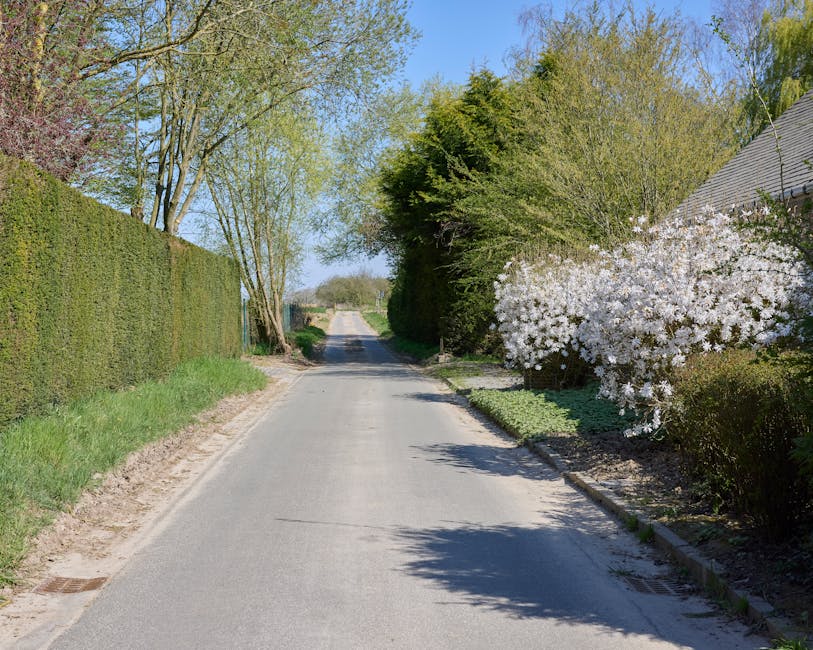
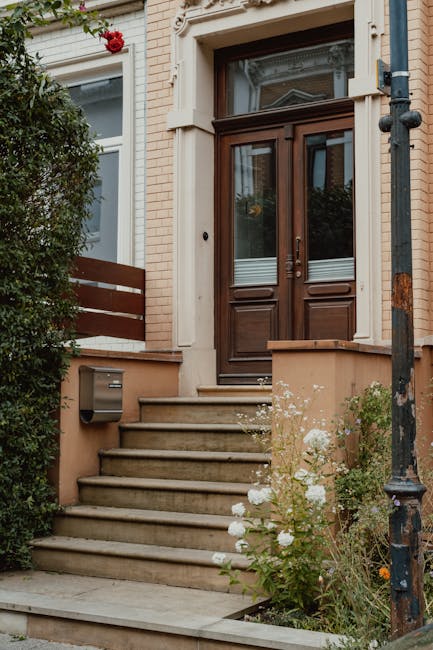
Dartmouth Road Front Garden Makeover by Professional Gardeners
If your front garden has started to feel tired, cluttered, or just a bit overlooked, you are not alone. A Dartmouth Road front garden makeover by professional gardeners can turn that first view of your home into something brighter, calmer, and far more inviting. Done well, it is not just about planting a few shrubs and calling it a day. It is about making the space work for kerb appeal, everyday use, drainage, low maintenance, and the general feel of the property.
That matters more than people think. The front garden is the bit you see every time you come home, every time a visitor rings the bell, and every time you glance out of the window on a wet weekday morning. A thoughtful makeover can make the whole house feel more cared for. It can also solve the little problems that quietly build up over time: awkward access, patchy grass, overgrown edges, poor visibility, and planting that looked lovely three summers ago but now looks, well, a bit defeatist.
This guide explains what a front garden makeover involves, how professional gardeners approach the work, what to expect, and how to avoid the common mistakes that cost time and money later on. If you are comparing options, a good place to start is the services overview, especially if you want to see how a makeover can sit alongside ongoing care.
Table of Contents
- Why Dartmouth Road Front Garden Makeover by Professional Gardeners Matters
- How Dartmouth Road Front Garden Makeover by Professional Gardeners Works
- Key Benefits and Practical Advantages
- Who This Is For and When It Makes Sense
- Step-by-Step Guidance
- Expert Tips for Better Results
- Common Mistakes to Avoid
- Tools, Resources and Recommendations
- Law, Compliance, Standards, or Best Practice
- Options, Methods, or Comparison Table
- Case Study or Real-World Example
- Practical Checklist
- Conclusion
- Frequently Asked Questions
Why Dartmouth Road Front Garden Makeover by Professional Gardeners Matters
A front garden has a job to do. It frames the house, controls the first impression, and often has to balance looks with practical things like bins, footpaths, steps, parking sightlines, and people coming and going in a hurry. A proper makeover does not treat the area like an afterthought. It gives the space a purpose.
On Dartmouth Road, where homes can vary in size, frontage style, and level of shelter, the right design choices matter even more. A narrow plot might need structure rather than lots of planting. A wider front area may benefit from a soft layout with borders, edging, and a clear path. If the space gets little sun, a professional gardener will think differently about plant choice than someone simply ordering "nice plants" online and hoping for the best. Let's face it, that approach rarely ends beautifully for long.
Professional gardeners bring an eye for proportion. They notice whether a hedge is making the front look smaller than it is, whether the paving is too dominant, and whether the planting is fighting the house instead of complementing it. They also know that a front garden needs to age well. It is one thing to make it look good in week one. It is another thing entirely to have it still looking balanced next spring.
There is also the practical side. Poor drainage, tired turf, compacted soil, and inconsistent maintenance can all make a front garden look worse than it really is. A good makeover handles the visible and invisible issues together. That is what makes the result feel settled rather than staged.
Expert summary: A front garden makeover works best when it improves both appearance and function. The strongest results usually come from clear structure, sensible planting, tidy access, and a maintenance plan that matches real life.
How Dartmouth Road Front Garden Makeover by Professional Gardeners Works
The process usually begins with a site visit or detailed discussion. The gardener will look at the current layout, the amount of light, the condition of the soil, drainage, boundaries, access, and what you want the garden to do. Some clients want low maintenance. Others want better privacy, more colour, or a more modern look. A few want the garden to stop becoming a weekly chore. Fair enough.
From there, the work is usually planned in stages. In many cases, the first task is clearance. That may mean removing dead plants, lifting old edging, cutting back overgrowth, or dealing with any clutter that has built up. If the garden has become especially untidy, a dedicated garden clearance service can be the sensible starting point before anything new goes in.
Next comes the design and preparation stage. This is where the layout is finalised. Paths, beds, lawn areas, decorative features, and any hard landscaping details are considered together. A front garden makeover can involve simple reshaping, or it can become a more comprehensive project with new surfaces, edging, planting beds, and improved access. Depending on the scope, some projects also sit alongside landscaping or broader landscape gardening work.
Once the groundwork is ready, the build begins. That may include soil improvement, turf preparation, edging installation, planting, mulching, and any finishing details that make the space feel complete. In some cases, features such as seating areas or boundary accents are added, and that is where something like decking services can become relevant if the design calls for a tidy, usable transition point.
Finally, there is the handover. A good gardener will explain how to care for the new layout, what to water more often, which plants need light pruning, and what to expect in the first few weeks. That guidance is not a nicety. It is the difference between a makeover that settles in and one that slowly slides backwards.
Key Benefits and Practical Advantages
A front garden makeover is often judged by how pretty it looks, but the real value goes deeper than that. A professionally planned space can reduce everyday friction in ways that are easy to miss until they are fixed.
- Stronger kerb appeal: A neat, well-balanced frontage changes the tone of the whole property immediately.
- Less upkeep: Good plant choices and tidy structure usually mean less weekend pruning, fewer surprises, and less general faff.
- Better use of space: A small front garden can still feel generous if the layout is smart.
- Improved access: Clear paths and sensible edging make movement easier and safer.
- More seasonal interest: A balanced design can look good across more than one season, not just one week in June.
- Better drainage and soil health: Preparation work helps prevent soggy patches and weak planting.
- Higher confidence in the result: A professional approach reduces the guesswork.
There is also a quiet emotional benefit. It feels nicer arriving home to a front garden that looks intentional. That matters. A lot, actually. It can make a property feel cared for before you even open the door.
Who This Is For and When It Makes Sense
This kind of project suits a lot of homeowners, but especially those who want the front of the property to do more than just exist. If the garden has become patchy, overgrown, dated, or awkward to manage, a makeover can be the clean reset you need.
It is often the right move if:
- the current planting is overgrown or badly spaced
- the lawn is failing and not worth rescuing as it stands
- the entrance feels cramped, dark, or cluttered
- the garden needs to be lower maintenance
- you want to improve first impressions before selling or letting
- you have recently finished exterior repairs and want the front to match the house
- you want a more polished finish without turning the space into a high-maintenance showpiece
Some people think they need a full redesign when a lighter refresh would be enough. Others try to patch over bigger issues with new plants and decorative stones. To be fair, that can work for a while, but if the bones of the garden are wrong, you will likely be back to square one before long. Professional gardeners help you judge the scale of the job properly.
If you want a service that keeps things looking good after the initial transformation, it is worth looking at garden maintenance as well. Front gardens tend to reward consistency more than dramatic one-off effort.
Step-by-Step Guidance
Here is a practical way to think about the makeover process from start to finish.
- Assess the site. Look at light, drainage, soil condition, boundaries, and what feels awkward or underused.
- Define the goal. Decide whether you want low maintenance, better visual impact, more privacy, safer access, or all four.
- Clear out the clutter. Remove dead growth, broken edging, tired containers, and anything that no longer earns its place.
- Set the structure. Establish paths, borders, focal points, and the main visual line of the garden.
- Choose planting wisely. Match plants to sun, shade, soil type, and the level of maintenance you are realistically willing to do.
- Improve the soil and finish. Mulch, edge, top up, and make sure the final result looks neat from the pavement as well as from the doorway.
- Plan the aftercare. Decide how often the garden will be maintained, and by whom.
That last step is where many people slip up. The finished look matters, yes, but the aftercare decides whether it lasts. A garden without a maintenance plan is a bit like buying a good coat and never cleaning it. Eventually it tells on you.
If the project includes overgrown hedges, you may also need hedge trimming so the front retains its shape and does not swallow up the new design.
Expert Tips for Better Results
A few small choices can make a front garden makeover look more expensive, more settled, and more "right" for the property.
Keep the layout honest. If the garden is narrow, do not force too many ideas into it. A couple of strong elements usually beat five competing ones. One clear path, one or two repeating plants, and a clean edge can look far better than a crowded design trying to show off.
Use repetition carefully. Repeating shapes or plant types helps a front garden feel coherent. A bit of rhythm goes a long way. Not too much. Just enough to make the eye relax.
Think in layers. Low ground cover, mid-height planting, and a few taller accents often create a fuller feel without making the space messy.
Choose plants that suit local conditions. Front gardens near walls, fences, and paved areas can be warmer and drier than you expect. Some pockets stay damp for ages. The trick is to plant for the actual site, not for a catalogue picture.
Leave room to maintain it. If you cannot comfortably reach the back of a bed or trim around an edge, the design is already fighting you.
Do not ignore the approach from the street. A beautiful bed hidden behind a wonky path does not feel beautiful for long. Stand back, look from the road, and check what people will actually see.
And a small human note: if something looks too fussy on day one, it will probably annoy you by week three. Trust your gut there.
Common Mistakes to Avoid
Front garden makeovers go wrong for surprisingly ordinary reasons. The good news is that most of them are avoidable.
- Choosing plants only for looks: Pretty plants that hate the site rarely stay pretty.
- Overcrowding the space: New clients sometimes want "a bit of everything". The result can feel busy and hard to care for.
- Skipping soil preparation: Poor groundwork leads to weak growth and patchy results.
- Ignoring drainage: If water pools after rain, new planting will struggle.
- Mixing too many styles: Modern paving, cottage planting, and ornamental features can clash if there is no unifying idea.
- Forgetting maintenance access: If you cannot reach it, you will stop caring for it.
- Leaving boundaries unfinished: The edge against fencing, walls, or paving can make or break the final appearance.
There is another one people often miss: changing the garden without thinking about the house. The frontage should suit the architecture. A crisp, minimalist layout may suit one property beautifully and feel completely wrong for another. That is where professional judgement earns its keep.
Tools, Resources and Recommendations
For a front garden makeover, the right tools matter, but so does the order in which they are used. Good gardeners typically work with a mix of hand tools and heavier equipment depending on the job. That might include spades, forks, edging tools, shears, pruning tools, soil improvers, wheelbarrows, and sometimes machinery for clearance or turf preparation.
From a homeowner point of view, the most useful "resource" is not a gadget. It is a clear brief. A few photos of the garden at different times of day, notes about drainage, and a rough idea of what you want the finished space to feel like can save a lot of back-and-forth.
For ongoing care, it can help to combine the makeover with routine services such as lawn mowing if grass forms part of the design. That keeps the frontage sharp rather than letting it drift within a few weeks. If you are dealing with severe buildup before the work begins, garden clearance can also be the most practical starting point.
When you are comparing providers, it is sensible to ask about insurance, waste handling, payment arrangements, and how they approach safety on site. Those things are not glamorous, but they matter a lot once the work starts.
Law, Compliance, Standards, or Best Practice
Front garden work is not usually complicated from a regulatory point of view, but there are still sensible standards and duties to consider. In the UK, professional gardeners and landscapers are generally expected to work safely, manage waste responsibly, and avoid damage to shared boundaries, underground services, and neighbouring property. If any tree work is involved, it is especially important to treat it carefully and to follow proper professional practice.
For example, if a makeover requires the removal of mature, diseased, or unsafe trees, that work may fall under specialist handling, which is why a service such as tree lopping and removal may be relevant in some cases. That is not a casual job. It needs proper assessment.
Health and safety also matters even on a small domestic site. Tools, lifting, slips, trip hazards, sharp materials, and waste handling all need thought. A professional approach should be tidy, careful, and respectful of the property. If you want extra reassurance, it is worth reviewing a company's health and safety policy and insurance and safety information.
Waste should be handled properly too. Green waste, rubble, and old materials should not be left to pile up unsafely. Responsible disposal is part of good practice, and sustainability is increasingly part of the conversation. Some teams also take recycling seriously, which is a good sign rather than a trendy extra. The planet does not care for tidy marketing, but it does appreciate less waste.
Options, Methods, or Comparison Table
Not every front garden makeover needs the same level of intervention. Sometimes a refresh is enough. Other times the space needs a fuller redesign. Here is a straightforward comparison.
| Approach | What It Usually Includes | Best For | Typical Trade-Off |
|---|---|---|---|
| Refresh | Cutting back, re-edging, soil improvement, selective replanting, tidy finishing | Gardens that are structurally fine but look tired | Less dramatic change |
| Makeover | Clearance, layout changes, new borders, planting scheme, surface improvements | Gardens needing a noticeable upgrade | Takes more planning and coordination |
| Full transformation | Major redesign, landscaping, hard features, drainage work, planting, complete reset | Gardens with poor layout or serious neglect | More time, more cost, more disruption |
If you are unsure which route makes sense, ask a professional gardener to walk the site with you and talk through the options in plain English. That conversation can save a lot of guesswork. Sometimes the best result is not the biggest one. Sometimes it is the one you will still be happy with next winter.
Case Study or Real-World Example
Picture a typical Dartmouth Road frontage: a small lawn that has thinned out over time, a couple of tired shrubs, uneven edging, and a path that feels slightly lost in the middle of everything. The garden is not a disaster, just awkward. Every part of it looks like it belongs to a different decade.
A professional gardener would usually start by clearing away the weak growth and making a decision about structure. Maybe the lawn stays, but is reduced and sharpened. Maybe one border is widened to create depth. Maybe the planting is simplified so the eye can read the space at a glance. If the hedges are taking over, they are cut back with care, and if the whole area is overwhelmed by leftovers, a more thorough tidy through garden maintenance becomes part of the plan.
The important part is not that the garden becomes flashy. It becomes coherent. The path is clearer. The entrance feels open. The plants have room. The house finally looks framed, not crowded. And when the rain comes, as it does, the garden still looks orderly instead of defeated.
That is the quiet power of a good front garden makeover. It does not shout. It just makes the property feel better every single day.
Practical Checklist
Use this checklist before, during, or after the project.
- Clarify the main goal: low maintenance, kerb appeal, access, privacy, or all of these.
- Measure the space and note sunlight, shade, and drainage patterns.
- Decide what should be removed, kept, or reshaped.
- Check whether hedge work or clearance is needed before new planting begins.
- Choose plants that suit the conditions, not just the look.
- Make sure the layout allows easy walking and simple upkeep.
- Ask how waste will be handled and removed.
- Confirm whether the work needs follow-up maintenance.
- Review safety, insurance, and payment details before work starts.
- Leave a little room for the design to mature; gardens change, and that is part of the charm.
Conclusion
A Dartmouth Road front garden makeover by professional gardeners is more than a visual upgrade. It is a practical way to improve how your property feels, functions, and presents itself every day. The best projects are not the most complicated ones. They are the ones that suit the house, suit the site, and suit the way you live.
Whether your front garden needs a gentle refresh or a full rethink, the right approach starts with honest planning and a clear sense of purpose. From there, professional gardeners can shape the space so it looks tidy, works better, and stays manageable. That is the real win.
If you are weighing up your options or want a clearer idea of what is possible, explore the available services, review the practical details, and take the next step when it feels right.
Get a free quote today and see how much you can save.
Frequently Asked Questions
What is included in a Dartmouth Road front garden makeover by professional gardeners?
It can include clearance, pruning, hedge trimming, new planting, soil improvement, edging, lawn repair, path definition, and sometimes broader landscaping. The exact mix depends on the condition of the garden and the result you want.
How long does a front garden makeover usually take?
That depends on the size of the space and how much work is needed. A small tidy refresh can be quick, while a fuller redesign may take several visits. Weather and material availability can also affect timing.
Is a front garden makeover worth it if I want low maintenance?
Yes, if it is planned properly. A professional can choose planting and layouts that reduce upkeep rather than increase it. The trick is to keep the design simple enough to manage without constant attention.
Do I need a full landscaping project, or just a refresh?
If the layout is basically fine but looks tired, a refresh may be enough. If the space has poor flow, bad drainage, or a layout that no longer works, a larger landscaping approach may be the better choice.
Can a makeover help with kerb appeal before selling a house?
Absolutely. The front garden is part of the first impression, and a tidy, balanced frontage can make a property feel better cared for. It does not need to be elaborate. Often, simple and clean works best.
What if my front garden is very small?
Small gardens often benefit most from professional input because every inch matters. A clear layout, restrained planting, and neat edges can make a compact space feel much bigger than it is.
Will I need ongoing maintenance after the makeover?
Most likely, yes, even if only lightly. New planting usually needs a settling-in period, and grass, hedges, and borders all benefit from regular care. Some owners prefer to arrange ongoing garden maintenance straight away.
Can overgrown hedges or trees be dealt with as part of the project?
Yes, if they are part of the problem. Hedge trimming is often essential in front garden work, and tree issues may require more specialist handling. In some cases, tree lopping and removal may be needed if safety or space is a concern.
How do I know if the work is being done safely?
Ask about safety procedures, insurance, and how the team handles tools, waste, and access. A reputable gardener should be able to explain their process clearly and calmly, without sounding defensive or vague.
What should I ask for before booking the work?
Ask what is included, how long the job may take, whether clearance is part of the plan, how waste is removed, what aftercare is needed, and how pricing is structured. A clear quote is always better than a half-guess and a shrug.
Can I combine the front garden makeover with other outdoor improvements?
Yes. Some projects pair front garden work with landscaping, new edging, decking details, or wider maintenance. The right combination depends on how much change the space really needs and what you want it to do.
How do I get started?
The simplest next step is to define what is not working now, decide what you want the space to feel like, and speak with a professional gardener who can assess the garden properly. A short visit can often clarify a lot. Sometimes more than you expect.
A good front garden has a way of lifting the whole house. Quietly, steadily, and without making a fuss.
Learn more about the team if you want to understand the people behind the work, or use contact us when you are ready to talk through your own project.